Innovative Strategies of TLC Smart Cleaning
- Raul Evangelista
- Nov 19, 2025
- 4 min read
Before starting TLCleaning, I wanted to understand the cleaning industry on a deeper level — not just as a business opportunity, but as a system that affects thousands of workers and thousands of companies across Aotearoa.
Coming from IT Project Management, process optimisation, and diversity-focused work environments, I’ve spent years using tools and methodologies designed to help people work better. When I later worked in cleaning, I started asking myself a simple question:
“How can I use my experience to make this industry better for both cleaners and customers?”
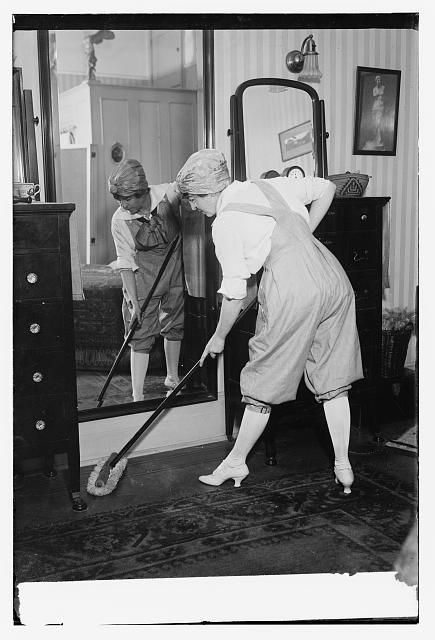
After receiving feedback from clients and experiencing the physical and mental demands of cleaning myself, it became clear that meaningful change must start with supporting cleaners, not only managers. The industry needs to be truly people-centric. And to do that, we need better processes, better tools, and better systems to support the people doing the work every day.
According to Expert Market Research, the cleaning market across Australia and New Zealand reached $13.5 billion, and is expected to continue growing at 4.30% per year. Growth is being driven by constant pressure on businesses to reduce costs, focus in core activities while protecting assets and choosing more eco-friendly solutions.
These numbers look promising — but only if the industry evolves at the same time.
What we see in the moment is the companies are scaling an outdated model simply leads to:
higher turnover
inconsistent quality
more pressure on cleaners
and clients who still don’t know what they’re paying for
To change that, we need the right tools, processes, and equipment, so the professional can deliver their best job without physical stress.
How it is for the cleaners
According to multiple workforce reports, being a cleaner is often not the peoples first choice, the main reasons people avoid cleaning roles include:
long hours and high physical demand
inconsistent schedules
low wages and limited career progression
lack of recognition
stress caused by unclear tasks or unrealistic expectations
According to Healthy Families Waitākere we note that “Alongside the physical nature of the job, the often-solitary nature of cleaning work can contribute to feelings of isolation, adding to mental strain.”
Problems with the customers
While interviewing business owners, property managers, facility managers and landlords, the same frustrations kept appearing:

1. Lack of transparency - They don't always know if the service are being done — or not done.
2. Inconsistent quality - Different cleaners follow different standards.
3. Poor communication - Issues aren’t reported clearly or fast enough.
4. Difficult to measure value - Cleaning is often outsourced but hard to monitor.
5. Increasing costs without visible improvement - A higher invoice doesn’t always mean a better service.
Many companies are cleaning places in the same way we cleaned in 1900s, with no time spent to understand clients demand, operation, security demands, etc. And the consequence is to create distrust, inefficiency, and a feeling that cleaning is a “black box” service.
Our solution
This is where TLCleaning Smart Cleaning is different:
🔧 Step 1: Using Lean Process and AI to Analyse Cleaning Tasks
After visiting the clients site, we brake down the entire cleaning process into micro-tasks and used AI to:
remove unnecessary actions
group tasks into efficient sequences
optimise for energy use
reduce backtracking
create standardised, repeatable routines
This is the foundation of a Lean cleaning methodology.
📋 Step 2: Training Cleaners Using Decontamination & Process Engineering Principles
With the tasks reviewed, the cleaners complete them using the training inspired by decontamination procedures and industrial standards. This way we make sure we use the right chemicals, with the right tools while wearing the right PPE.
🧰 Step 3: Borrowing Tools and Techniques From Other Trades
To do a thourough job with our training, the cleaning tools are not enough. So we borrow some Gardening spray bottles, builders belts, and facilities maintenance that helps a lot with:
ergonomics
tool efficiency
health and safety
💡 Step 4: Using Technology to Support — Not Replace — Cleaners
The TLC process helps, but also technology keeps cleaners safer and less tired, not irrelevant.This includes:
workload balancing
visual task checklists
real-time reporting
simple digital communication
performance insights without pressure
And as technology evolves, we’ll use robotics to handle only the repetitive or heavy tasks, not the human-quality ones.
Output: What TLC Smart Cleaning means for Clients and Cleaners
For Cleaners✨
Less physical strain
Clear processes to follow
Better working conditions
More respect for their time and effort
For Businesses 📊
Tailored service, for real.
Transparency — clients know exactly what is being done
Lower long-term costs due to efficiency
More consistent quality
Better communication
Intelligent workflows
Sustainable and modern cleaning practices
Lower turnover
Conclusion
TLCleaning isn’t just “another cleaning company.” It’s the result of research, experience, and genuine care for both sides of the industry. By combining IT, process optimisation, and hands-on cleaning expertise, we’re building a service that:
improves the work experience for cleaners
improves transparency and quality for businesses
adapts to the growing demand across Aotearoa
and prepares the industry for a smarter, more sustainable future
If you’re a business owner, facility manager, or landlord in Wellington, I’d love to show you how this new approach can work for you.
Want to know how this would be in your company? Be in touch with Raul on hello@tlcleaning.co.nz or 021 022 91 705.
Comments